

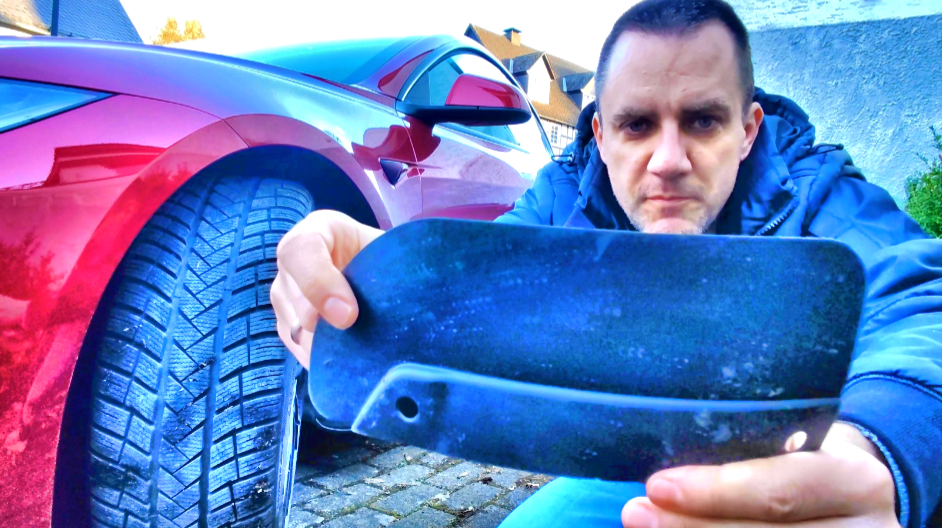
Invisible Mud Flaps on Tesla Model 3 Performance: PPF alternative? Easy Install made by Tesery
Do you also want invisible protection from rocks, gravel, and road dirt without ugly bulky flaps or expensive PPF? In this video, I install the Tesery hidden mud flaps (splash guards) on my Tesla Model 3 Performance. These low-profile, flexible TPU guards are almost completely invisible once installed, keep your paint pristine for detailing, and install in minutes with no special tools. If you’re protecting your ride, or considering mud flaps vs PPF (Paint Protection Film), this is the review for you!
Enjoy the video and please use my link below and code “MAXIMAALSKI” for the best possible price and discount on these mud flaps and other Tesla accessories by Tesery.
Why use Tesla mud flaps instead of paint protection film (PPF)
Tesla mud flaps (also called splash guards) and paint protection film (PPF) serve related but different purposes when protecting a Tesla from road debris like rocks, sand, salt, mud, and slush—especially on the lower body panels, rockers, and areas behind the wheels.
Many Tesla owners use mud flaps as a practical, low-cost first line of defense, particularly instead of (or in addition to) relying solely on PPF for the lower sides.
Key Reasons to Choose Mud Flaps Over (or Before) Full PPF
- Prevention at the source: Mud flaps physically block and deflect rocks, gravel, and debris thrown up by the tires before they can hit the car’s body. This reduces the “sandblasting” effect on the rocker panels, lower doors, and fenders. Owners report significantly fewer or zero chips in those areas after thousands of miles with flaps installed, even without PPF.
- Much cheaper and easier: Official Tesla mud flaps cost around $40 and install in minutes with clips/bolts (no drilling on most models). In contrast, professional full or partial PPF (e.g., rockers, doors, or full front end) often runs $1,000–$8,000 depending on coverage and quality. DIY PPF is cheaper but still more involved and time-consuming.
- Broader coverage for lower areas: Flaps protect a larger vertical section of the rocker and side panels continuously, while PPF is a fixed film layer that might not cover every spot or the full height in partial applications. Flaps handle ongoing spray from all driving conditions (highway, gravel, winter roads) without wearing out the protection in the same way.
- No aesthetic or maintenance trade-offs on the visible paint: Mud flaps are designed to be relatively discreet (especially official or aftermarket low-profile ones) and don’t alter the factory paint look. PPF can add gloss or self-healing but requires careful installation to avoid visible edges/seams where dirt can collect.
- Sacrificial and replaceable: If a flap gets damaged or worn, it’s inexpensive to replace. A large rock can sometimes penetrate PPF and still chip the underlying paint, whereas flaps reduce how often that happens in the first place.
Limitations of Mud Flaps (and Why PPF Is Often Still Relevant)
Mud flaps aren’t perfect—they reduce but don’t eliminate 100% of debris (some small particles or high-speed impacts can still get through, especially on the rear or with larger tires). They primarily help the sides/rockers, not the front bumper, hood, or full body.
PPF excels at absorbing impacts on high-exposure areas (front end, mirrors, hood) with self-healing properties for minor scratches. Many owners combine both: mud flaps for the wheel wells/rockers + targeted PPF underneath or on vulnerable spots. Some even apply a small strip of PPF under the flap itself as a sacrificial layer in case of rubbing or residual debris.
Quick Comparison
| Aspect | Mud Flaps | PPF (Paint Protection Film) |
|---|---|---|
| Primary Protection | Deflects debris before impact (preventive) | Absorbs impacts on contact (reactive barrier) |
| Best For | Lower rockers, doors, sides (tire spray) | High-impact zones (bumper, hood, full panels) |
| Cost | Very low (~$40 official) | High ($1k+ partial, $5k–8k full professional) |
| Installation | DIY, quick | Professional recommended for best results |
| Durability | Replaceable if worn; works in all conditions | Long-lasting (years) but can be pierced by big rocks |
| Look | Subtle addition | Invisible (or enhances gloss) |
Conclusion
Use mud flaps instead of (or before) PPF if your main concern is cost-effective, targeted protection against rock chips and road spray on the lower body—common in gravel roads, winter driving, or highway commuting. They’re a simple upgrade that many long-term owners say dramatically reduces paint damage without the expense or hassle of extensive film.
For maximum protection (especially on premium paint or in harsh environments), the consensus is both: flaps to minimize debris + PPF (at least on rockers or high-risk areas) as backup. If you’re on a budget or want quick results, start with the official mud flaps—they’re one of the most recommended low-effort accessories for keeping a Tesla looking new.
Feedback
Check out my other video how you can protect the CCS charge port of your Tesla against vandalism and dirt. Do you use mud flaps or did you install PPF or maybe neither one? Let me know in the comments and please subscribe to my YouTube channel. Please help grow my channel by subscribing or becoming a premium channel member, so I can test, review and compare new products. Please support my channel and use my Tesla promo code for a big discount on your new car or free supercharger Miles.