

Use your Tesla to Charge Off-Grid Battery & Power Station During Outage!
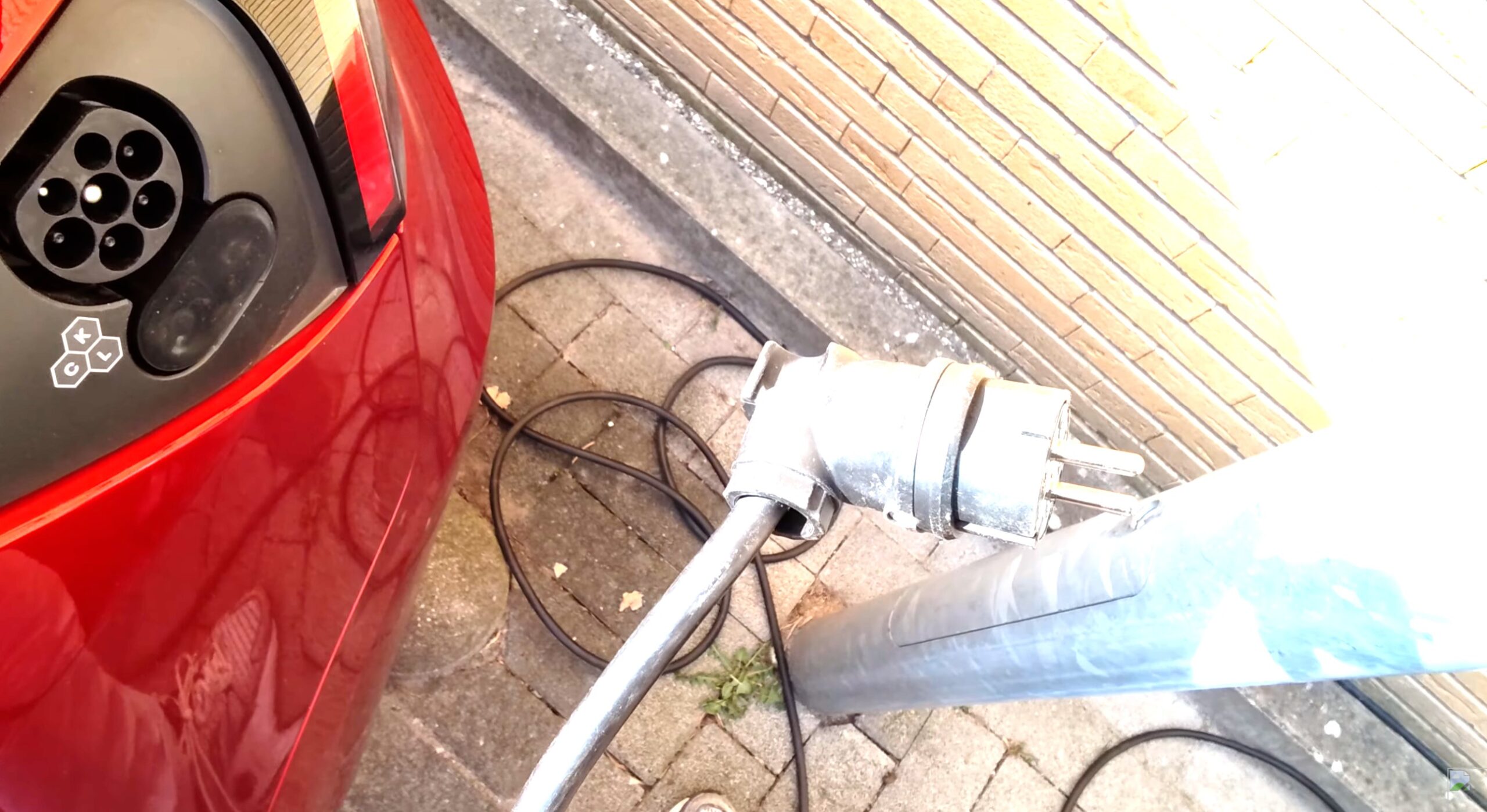
In this video I show you exactly how I tried charging my off-grid battery and power station straight from my Tesla during a real power outage. Teslas still don’t have V2L, so I used a pure sine wave inverter plugged into the 12V socket and ran a long extension cord into the house. It’s a total hack but super useful if you’re a Tesla owner who wants emergency power without buying extra gear! I tested the Giandel pure sine inverter with the Zendure SolarFlow 2400 AC – you’ll see the full setup, the power limits I set in the app, and what actually happened when I tried to charge the battery. Spoiler: we hit a grounding fault, but I also share a solid portable power station workaround that works great for lights, phone chargers, and even a small water boiler.
Amazon affiliate links to the products featured in my video:
- GIANDEL Pure Sine Inverter
- AEG Portable 12 V Power Station
- Zendure SolarFlow 2400 AC and the modular AB3000X batteries (code DFDFWS77)
Why use a 12V inverter in your Tesla for emergency backup power?
A 12V inverter in an electric vehicle (EV) for backup power is a popular, low-cost DIY or aftermarket solution that lets you tap into the EV’s massive high-voltage traction battery indirectly. Here’s why many EV owners do it, especially during power outages, camping, or emergencies.
How It Works in an EV
Every EV has two batteries:
- A large high-voltage (HV) traction battery (typically 300–800V) for driving the motor.
- A small 12V auxiliary battery (usually lead-acid, ~40–60Ah) for low-voltage systems like lights, computers, contactors, and “waking up” the HV system.
An onboard DC-DC converter constantly steps down power from the HV battery to keep the 12V battery charged and supply accessories. When you connect a 12V-to-AC inverter (plugged into the 12V socket/cigarette lighter or hardwired to the 12V battery terminals), it draws from this 12V system—which is ultimately replenished by the big traction battery.
The car must be in “ready” or accessory mode (not fully off) so the DC-DC converter stays active. This effectively turns your EV into a silent, portable generator using its huge energy reserve (tens of kWh).
Main Reasons to Use a 12V Inverter for Backup Power
- Simple, Cheap, and No Major Modifications Needed A good pure sine wave inverter (1–2kW) costs $100–300. You can plug it into the 12V outlet or add heavy cables/fuses to the battery for higher output. No need for expensive bidirectional charging hardware, high-voltage work, or professional installation. It’s accessible for most EV owners.
- Access to the EV’s Large Battery Capacity Without High-Voltage Risk The 12V battery itself holds little energy (a few hundred Wh), but the DC-DC converter pulls from the traction battery. This gives you hours of runtime for essential loads—far more than a standalone 12V battery or small power station. Owners have run fridges, lights, fans, routers, medical devices, or even a furnace blower during multi-day outages.
- Emergency Backup When Grid Power Fails EVs make excellent silent backups (no noisy gas generator). During blackouts, you can power critical household items via extension cords. Some owners report using older EVs (like a Nissan Leaf) for days to keep a fridge running and maintain basic comfort. It’s especially useful if you have a full charge and can’t (or don’t want to) drive away.
- Versatility for Camping, Road Trips, or Off-Grid Use Run laptops, CPAP machines, small appliances, tools, or charge other devices anywhere. It’s like having a built-in power station without buying a separate one.
- Works on Almost Any EV Unlike full Vehicle-to-Home (V2H) or Vehicle-to-Load (V2L) systems (which are built into some models like certain Hyundais, Kias, or Fords and can deliver 3–10+ kW directly from the HV battery), the 12V method requires no factory support. It’s a workaround for vehicles without native V2L/V2H.
Practical Limits and Considerations
- Power Output: Typically safe for 300–1200W continuous (depending on your EV’s DC-DC converter rating and wiring). Surge loads are higher, but don’t expect to run a whole house or high-draw items like central AC or electric heaters for long. Overloading can strain the DC-DC converter or drain the 12V battery.
- Efficiency: Multiple conversions (HV DC → 12V DC → 120V AC) mean some energy loss, but it’s acceptable for occasional use.
- Runtime: Depends on your EV’s state of charge and load. A 1kW load might run for several hours on a partially charged EV without significantly impacting range.
- Safety Tips: Use a pure sine wave inverter for sensitive electronics. Add proper fusing and heavy-gauge cables if hardwiring. Monitor 12V voltage to avoid draining it too low (which could prevent the car from starting). Check your owner’s manual—some EVs limit accessory power draw.
- Not Ideal for Everything: For serious whole-home backup, dedicated V2H systems or bidirectional chargers (which connect directly to the HV battery) are more powerful and efficient, but they’re complex, costly, and not available on all EVs.
Conclusion
In short, a 12V inverter is popular because it’s an easy, affordable way to unlock emergency or auxiliary power from your EV’s big battery without fancy upgrades. It’s not as capable as factory V2L/V2H, but for many people it’s “good enough” for keeping the lights on or essentials running during an outage. If you’re considering one, start with a reputable pure sine wave model and test it safely.
Feedback
If you’ve ever been stuck in a blackout wondering how to use your Tesla’s battery for the house, this one’s for you. Drop a comment below – what’s your go-to power outage solution with your Tesla? Support the channel and grab a big discount on a new Tesla (plus free Supercharger miles). Join as a Premium YouTube member for early access & extras.