

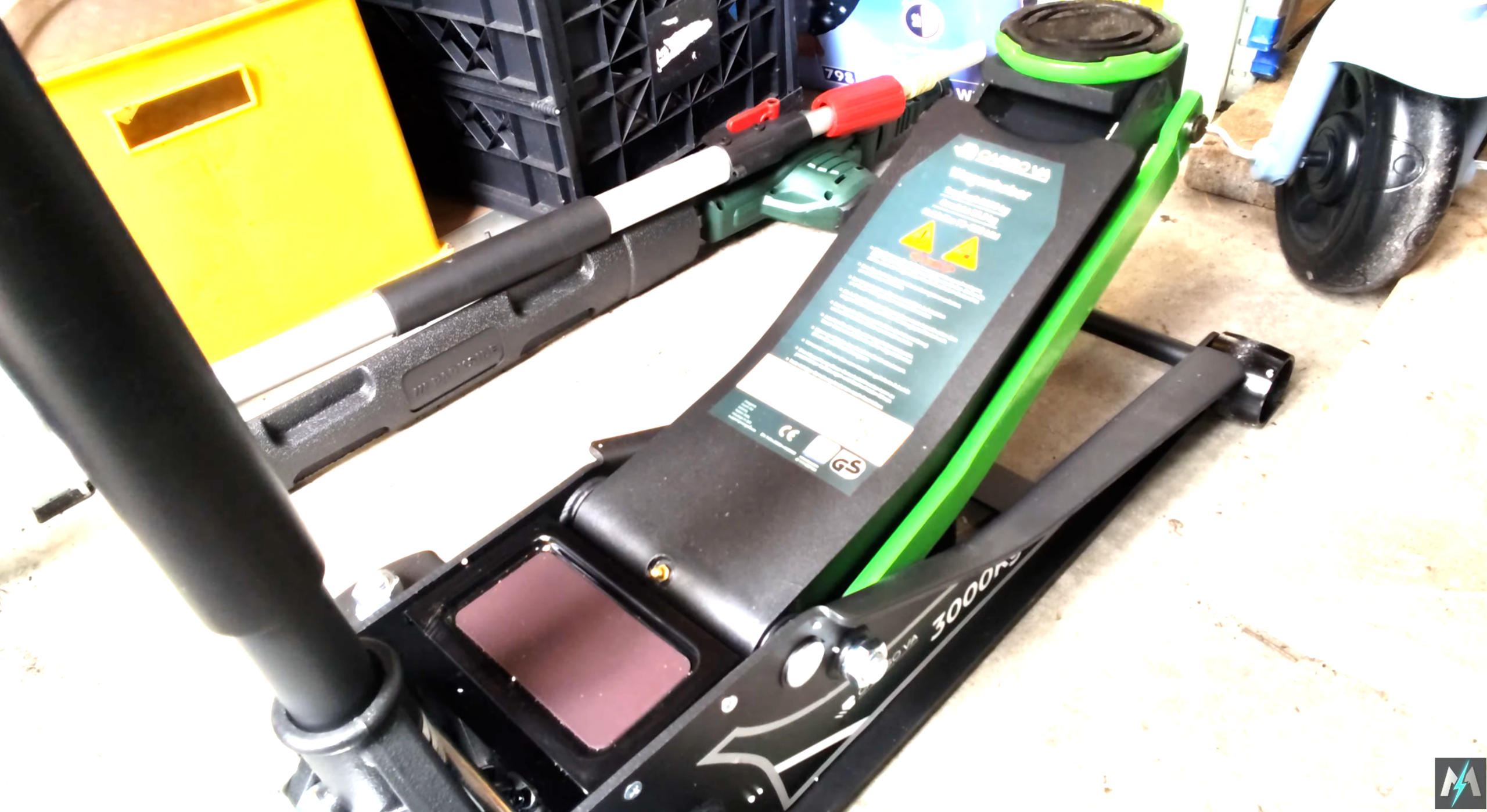
3T Hydraulic Floor Jack Not Lifting or Spinning? Easy Fix – Remove This Useless Pin!
If your cheap 3-ton hydraulic floor jack won’t lift, the handle just spins freely, and it keeps sinking down even when you pump it… you’re not alone. In this quick video I show the exact problem I had with my 3T floor jack and the super simple fix that got it working perfectly again. I thought the valve wasn’t engaging, but it turned out there was a tiny useless pin/bolt inside blocking everything. Removing it took literally 2 minutes and now the jack pumps up smoothly, holds position, and lowers gently like it should. No more frustration in the garage!
Top hydraulic floor jack problems and how to fix them
Here are the top hydraulic floor jack issues, ranked by how commonly they occur based on user reports, repair guides, and manufacturer troubleshooting. These problems affect both cheap imported jacks and higher-quality models over time due to wear, contamination, improper use, or lack of maintenance.
For all repairs, work on a clean surface, wear safety glasses and gloves, and never work under a vehicle supported only by the jack—always use jack stands. Use the correct hydraulic jack oil (not regular motor oil or brake fluid, as they can damage seals). Many fixes involve bleeding air from the system or a full fluid change.
1. Jack Won’t Lift, Pumps Up Slowly, or Has Low/No Lifting Capacity
This is the most reported issue. The handle pumps but the saddle barely rises, stops midway, or won’t hold any real weight.
Common causes:
- Low hydraulic fluid level (most frequent).
- Air trapped in the system (from tilting during storage/shipping or low fluid).
- Worn or damaged seals/O-rings allowing internal bypass.
- Clogged or stuck check valves/ball valves (dirt, debris, or corrosion).
- Overloading in the past, damaging internal components.
How to fix:
- Check and refill fluid: Locate the filler plug (usually on top of the reservoir). Clean the area, remove the plug, and add jack oil until it reaches the recommended level (often just below the filler hole when the jack is level and fully lowered). Avoid overfilling.
- Bleed the system: With the release valve closed (handle turned clockwise), pump the handle 10–20 times. Then open the release valve slightly and let the arm descend slowly. Repeat several times. Some guides recommend pumping with the valve partially open or fully lowering and raising multiple cycles to purge air.
- If it still fails: Inspect/clean the pump piston and check valves (small balls and springs inside—be careful not to lose parts). A seal rebuild kit (cheap on Amazon/eBay for most models) often resolves it. Drain old fluid, replace seals, refill, and bleed.
Many users fix this in 10–30 minutes with just fluid + bleeding. If the jack is very old and leaking internally with no external signs, a full rebuild or replacement is often more practical.
2. Jack Leaks Hydraulic Fluid (Externally or Internally)
Puddles under the jack, fluid around the piston/ram, or gradual loss of pressure without visible external leaks.
Common causes:
- Worn, damaged, or dried-out seals and O-rings (especially on the main ram or pump piston).
- Overfilled reservoir causing pressure blowouts.
- Scratched or corroded cylinder walls.
- Loose fittings or damaged gaskets.
How to fix:
- For minor external leaks: Tighten fittings and replace obvious O-rings/gaskets.
- For persistent leaks: Perform a full seal rebuild. Drain the fluid completely (turn the jack on its side over a pan), disassemble accessible parts, clean everything, replace all seals from a kit, reassemble, refill with fresh jack oil, and bleed thoroughly.
- Note: Some cheap jacks aren’t worth rebuilding if multiple seals fail—replacement is often cheaper and safer.
Foaming or discolored (milky) oil indicates water contamination—drain and replace the fluid immediately to prevent internal corrosion.
3. Jack Won’t Lower (or Lowers Very Slowly/Stuck)
The saddle stays up after releasing the valve, or descends extremely slowly.
Common causes:
- Release valve not opening fully (dirt, corrosion, or misadjusted linkage).
- Clogged release valve or passages.
- Thick/old/contaminated fluid.
- Air or insufficient fluid affecting hydraulics.
- Bent or damaged release mechanism.
How to fix:
- Ensure the release valve is fully open (turn handle counterclockwise). Clean around the valve and try cycling it.
- Drain and replace the hydraulic fluid with fresh jack oil.
- Bleed the system as described above.
- If stuck: Gently tap the release valve area (avoid damaging it) or disassemble/clean the valve. In severe cases, replace the valve assembly or do a full rebuild.
Never force it aggressively—safety risk if it suddenly drops.
4. Slow or Sluggish Operation (Lifting or Lowering)
Everything works but feels weak, slow, or inconsistent.
Common causes:
- Low or contaminated fluid.
- Air in the system.
- Partially worn seals or valves.
- Lack of lubrication on moving parts (linkage, wheels).
- Overloading history causing internal wear.
How to fix:
- Start with fluid top-up + bleeding (same procedure as issue #1).
- Clean and lubricate the pump handle pivot points and wheels.
- If it persists after fluid service, rebuild seals or replace the jack.
5. Wheels/Casters Don’t Roll Smoothly or Are Stuck
The jack is hard to position under a vehicle.
Common causes:
- Debris, rust, or dirt buildup.
- Dry or seized bearings.
- Bent frame or axle from drops/impacts.
How to fix:
- Clean thoroughly and lubricate axles/bearings with grease or penetrating oil.
- Replace damaged wheels if bearings are shot (common on budget jacks).
- Straighten minor frame bends if possible; severe damage usually means replacement.
6. Other Less Common Issues
- Won’t hold pressure (slowly sinks under load): Usually internal leaks from bad seals or faulty release/check valves. Requires rebuild or replacement.
- Pump handle feels loose or doesn’t return: Broken spring, clip, or linkage in the pump mechanism—inspect and repair/replace the affected part.
- Frame or saddle damage: Cracks or bends from overloading/abuse. Stop using immediately and replace the jack.
- Overheating or unusual noises: Rare, but indicates severe internal issues—discontinue use.
Prevention and Maintenance Tips
- Store the jack fully lowered in a dry place.
- Check fluid level every few months and change it annually or after heavy use.
- Never overload beyond rated capacity.
- Bleed air after long storage or transport.
- Keep it clean—wipe down after use and avoid dirt/gravel areas.
- For high-use scenarios, consider a higher-quality jack with better seals from the start.
Safety note: A failing hydraulic jack is extremely dangerous under a vehicle. If in doubt, replace it—many good 3-ton models are affordable. Rebuild kits work well for mid-range jacks, but very cheap ones often aren’t economical to repair long-term.
If your specific symptoms don’t match these or you have a particular brand/model, provide more details (e.g., “pumps but sinks immediately” or photos) for more targeted advice. Always test the repaired jack unloaded first.
Feedback
Did you encounter any of these problems with your car’s hydraulic floor jack and did you fix them? Hit like & press Hype if this saved you some headache, subscribe for more quick car/garage tips, and turn on notifications so you don’t miss the next one. Thanks for watching! 🚗🔧Support the channel and grab a big discount on a new Tesla (plus free Supercharger miles). Join as a Premium YouTube member for early access & extras.